The hardest part of buying homelab gifts isn’t the budget, it’s guessing which cable, chipset or edition the person would actually pick themselves. Sysadmins and developers are fussy about exactly those details, so a vague “tech gift” usually lands in a drawer while a $20 console cable gets used every week. We sorted these gifts for sysadmins, developers and homelabbers by what you want to spend: under $25, under $50, under $100, and a $250+ mini rack bundle for the person who already has everything else.
Every pick comes from one of our full buyer guides, the ones readers buy from most. That means each gift has a deeper comparison behind it if you want to check our reasoning. None of them repeat the 11 picks in our main gift guide for programmers and sysadmins, which covers the YubiKey, UPS and monitor end of the list. Prices and stock below were checked on Amazon on October 31, 2026.
Homelab gifts by budget at a glance
If you only have a minute, read this table. It lists all 12 gifts by budget tier with the price band we saw on Amazon and the person each one suits, and the numbered sections below give the trade-offs.
| Budget | Gift | Price band (check live) | Best for |
|---|---|---|---|
| Under $25 | 1. Cable Matters USB-C console cable | About $20 to $25 | Network engineers with a USB-C laptop |
| Under $25 | 2. A Philosophy of Software Design | About $20 to $25 | Working developers |
| Under $50 | 3. Python Crash Course, 3rd Edition | About $25 to $35 | Sysadmins learning to code |
| Under $50 | 4. GeeekPi P33 NVMe and PoE+ HAT | About $35 to $45 | Anyone who already owns a Pi 5 |
| Under $50 | 5. System Design Interview, Volume 1 | About $35 to $45 | Engineers heading into interviews |
| Under $100 | 6. Brother PT-E110 label maker | About $55 to $65 | Whoever owns the patch panel |
| Under $100 | 7. The C Programming Language, 2nd Edition | About $55 to $70 | Developers who already code |
| Under $100 | 8. Hands-On Machine Learning (PyTorch) | About $60 to $90 | Developers moving into ML |
| Under $100 | 9. Sipeed NanoKVM-USB crash cart | About $60 to $75 | Anyone with a headless server |
| Under $100 | 10. GL.iNet Beryl AX travel router | About $90 to $100 | Frequent travellers on Tailscale |
| Under $100 | 11. GL.iNet Comet IP-KVM | About $95 to $105 | Homelabbers who manage boxes remotely |
| $250+ | 12. 10-inch mini rack bundle | About $250 to $280 assembled | A homelab that has outgrown the shelf |
Two patterns stand out. The under-$100 tier is the crowded one, because that’s where useful homelab hardware starts. If you can stretch from $40 to $60, you get a lot more gift. And the books are the safest buy at any budget, since a book cannot clash with gear the person already owns. If you do not know their setup at all, buy a book or the label maker; if you know they run a rack, the IP-KVM and the mini rack bundle will get the biggest reaction.
How we picked these sysadmin gifts
We started from the buyer guides readers click through to Amazon most often and took the pick from each that works as a gift rather than as an upgrade the person has to plan for. Specs come from each maker’s product page or datasheet, prices and stock come from Amazon’s catalog on October 31, 2026, and book editions and page counts come from the publisher listing. Three rules decided what made the cut:
- It works the day it’s unwrapped: no subscription, no second purchase before it does anything useful, apart from the one HAT that needs a Pi 5.
- It fits more than one setup: a cable that only talks to one vendor’s switches, or a rack that only takes one board, didn’t make it.
- It’s in stock in the US: four candidates from the guides were dropped because they were not reliably buyable new on Amazon.
Each section below says who should skip the gift, because a present that duplicates something they already own is worse than a gift card. Gift cards do not feature at all, since you are reading a gift guide to avoid exactly that.
1. Cable Matters USB-C Console Cable (under $25)
The best gift under $25 for a network engineer is the console cable they keep borrowing from a colleague. Cable Matters builds this one on an FTDI chipset with the RS-232 level shifter inside the USB-C plug. It runs off the laptop’s port with no extra box, and FTDI drivers ship with current Windows, macOS and Linux. That matters to you at 2 a.m. in a server room, because a cheap clone chip that needs a driver hunt is exactly the cable that fails when a switch has lost its config.

Who it’s for: anyone who touches Cisco, Juniper, Aruba or MikroTik gear from a USB-C laptop. Skip it if you know they still carry an older laptop with USB-A ports, in which case the USB-A version of the same FTDI cable (ASIN B078PVJ5ZQ) costs a few dollars less. Our USB console cable guide compares the other cables if you want to be sure it fits their gear.
- Connector: USB-C to RJ45 rollover, 6 ft
- Chipset: FTDI with integrated RS-232 level shifter
- Works with: Windows 10, macOS 10.11 and later, Ubuntu 11.10 and later
- Price: about $22 on October 31, 2026; check the live price
2. A Philosophy of Software Design (under $25)
For a developer who’s been writing code for a few years, this is the cheapest book on the list and the one most likely to change how your developer friend works. John Ousterhout argues that the real enemy in a codebase is complexity. His cure is deep modules with simple interfaces instead of lots of tiny shallow ones. It is 196 pages, so it gets finished over a holiday break instead of sitting on the shelf you bought it for.

Who it’s for: developers who have already felt the pain of a codebase that fights back. Skip it if the person is still learning their first language, because the book is conceptual rather than code-heavy and assumes they’ve written enough to recognize the problems it describes. It’s one of the 20 picks in our best programming books list.
- Author: John Ousterhout
- Edition: 2nd, 2021, 196 pages, Yaknyam Press
- Price: about $21 on October 31, 2026; check the live price
3. Python Crash Course, 3rd Edition (under $50)
This is the gift for the sysadmin you know who keeps saying they will learn to script properly next year. Eric Matthes splits the book into a fundamentals half and a projects half, so the reader goes from variables to a working game, data visualizations and a small Django web app. For someone who’s spent a decade in Bash, that projects half is the push from copying snippets to writing tools of their own.

It suits beginners, career changers and ops people who want Python as their second language after shell. Skip it if they already write code in another language, since the first half will feel slow to anyone who already knows what a loop is.
- Author: Eric Matthes
- Edition: 3rd, 2023, 552 pages, No Starch Press
- Price: about $28 on October 31, 2026, well under its $49.99 list; check the live price
4. GeeekPi P33 NVMe and PoE+ HAT (under $50)
If the person you are buying for already owns a Raspberry Pi 5, a second kit is the wrong gift, and this HAT is the right one. It adds an M.2 slot for an NVMe SSD and PoE+ power on one board, while leaving room for the official Pi 5 active cooler. The SSD gets the Pi off the microSD card, which is the part that dies first in an always-on Pi. PoE+ means one Ethernet cable from a PoE switch replaces the power brick.
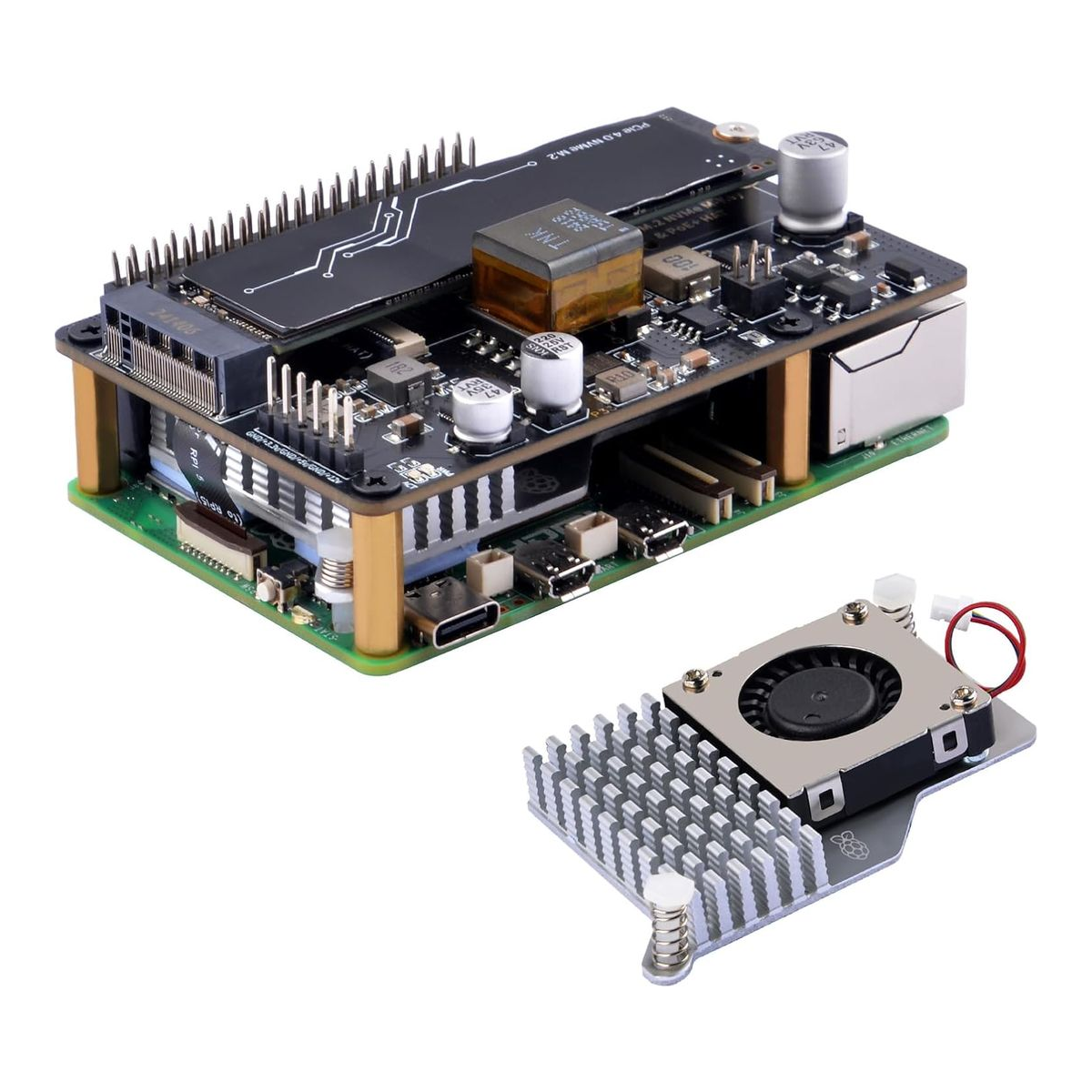
Buy it for a Pi 5 owner who runs Home Assistant, Pi-hole or a small server on it around the clock. Skip it if they do not own a Pi 5 yet, because the HAT needs the board plus an SSD bought separately. In that case, you are better off with a full kit from our Raspberry Pi 5 kits guide instead, keeping in mind that the 2026 memory price rises have pushed kit prices up.
- Storage: M.2 M-key NVMe, 2230, 2242, 2260 and 2280 sizes
- Power: PoE+ in, 5.1 V at 4.5 A to the Pi
- Cooling: clears the official Pi 5 active cooler
- Price: about $38 on October 31, 2026; check the live price
5. System Design Interview, Volume 1 (under $50)
For an engineer heading into interviews in the new year, Alex Xu’s first volume is the book you would see on most of their desks anyway. Each chapter takes one classic prompt, such as a rate limiter, a URL shortener or a news feed, and walks it from requirements to a diagrammed design. That repeatable structure is what a nervous candidate actually needs in the room.

Mid-level engineers preparing for a senior loop get the most from it. Skip it if they already read the ByteByteGo newsletter closely, because the solutions are wide and fairly thin where a senior interviewer will probe, and our system design books guide lists the deeper follow-ups.
- Author: Alex Xu
- Edition: 2nd, 2020, 320 pages, independently published
- Price: about $40 on October 31, 2026; check the live price
6. Brother PT-E110 Label Maker (under $100)
The standout under $100 for whoever owns the patch panel is a handheld label maker with cable keys. Brother’s PT-E110 has dedicated keys for cable wrap and cable flag labels. It prints on standard laminated TZe tape up to 12 mm and takes Brother’s HGe tape too, so you can stock either kind. Since it runs on six AAA batteries, it goes into the rack room with you instead of staying next to a PC.

Who it’s for: anyone labelling a few dozen cables a year. Skip it if they want to print labels from a spreadsheet or a phone, because the PT-E110 has no USB or Bluetooth connection, and the batteries are not in the box, so you should wrap a pack of AAAs with it. The label maker guide covers the connected Brother models that print from a list.
- Tape: TZe 3.5, 6, 9 and 12 mm, plus HGe 6, 9 and 12 mm
- Print: 180 dpi, manual cutter, one-line LCD and QWERTY keys
- Power: six AAA batteries, not included
- Price: about $60 on October 31, 2026; check the live price
7. The C Programming Language, 2nd Edition (under $100)
Kernighan and Ritchie’s book is the classic programmer gift, and it earns that status for a practical reason: in 272 pages it teaches C, and with it how memory and pointers really work, more tightly than anything since. It also looks good on a desk, which counts for something when you are giving it as a present.
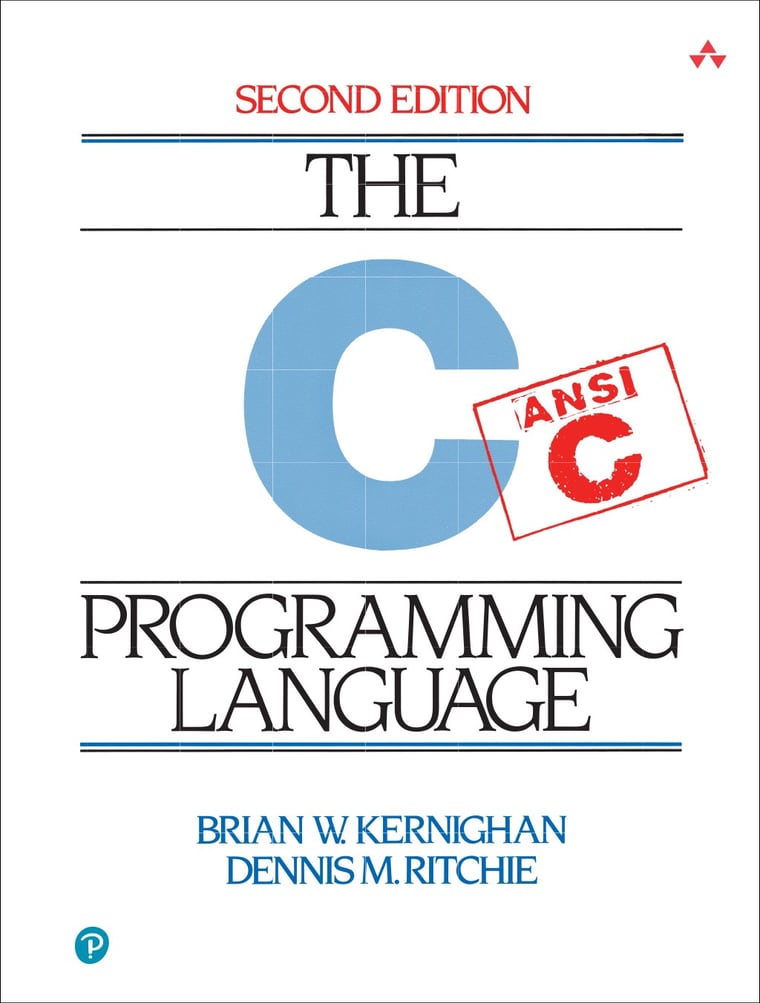
Give it to developers who already program in another language and want to understand what sits beneath it. Skip it if the person has never programmed, since the book moves fast and expects the exercises to be done. It also stops at ANSI C, so anyone who needs C11 or C17 should get one of the newer picks in our C and C++ books guide.
- Authors: Brian W. Kernighan and Dennis M. Ritchie
- Edition: 2nd, 1988, 272 pages, Prentice Hall
- Price: about $60 on October 31, 2026; check the live price
8. Hands-On Machine Learning with Scikit-Learn and PyTorch (under $100)
If you are buying for a developer who wants to move into ML in the coming year, Aurélien Géron’s new PyTorch edition is the one to buy. It switches the deep learning half from Keras and TensorFlow to PyTorch, and pairs every chapter with notebooks on GitHub. At 875 pages it is a project, but a well-paced one.

Python developers who learn by running code are the audience. Skip it if their team is standardized on TensorFlow, in which case the older third edition matches their stack and costs less. Our machine learning books guide has the theory-first alternatives.
- Author: Aurélien Géron
- Edition: first edition of the PyTorch title, late 2025, 875 pages, O’Reilly Media
- Price: about $66 on October 31, 2026, below its $89.99 list; check the live price
9. Sipeed NanoKVM-USB Crash Cart Adapter (under $100)
A USB crash cart adapter turns a laptop into the monitor and keyboard for a headless server, and the Sipeed NanoKVM-USB is the one we would wrap for you. It takes the server’s HDMI output and its keyboard and mouse over USB. The screen then shows up in a desktop app or straight in Chrome at usbkvm.sipeed.com. That covers the BIOS screen, a stuck boot or a lost network config without hauling a monitor to the rack.

Who it’s for: anyone running mini PCs or servers with no monitor attached. Skip it if they need to reach machines from another building. It only works with a laptop plugged in beside the server. StorageReview measured 100 to 150 ms of video delay, which is fine for a BIOS menu but not for anything interactive. Our crash cart adapter comparison sets it against Openterface and the StarTech NOTECONS.
- Video: HDMI input with loop-out up to 4K30
- Host link: USB 3.0, plus a switchable USB-A port
- Build: 57 x 25 x 23 mm aluminium, open source under GPL-3.0
- Price: about $70 on October 31, 2026 from a third-party seller; check the live price
10. GL.iNet Beryl AX Travel Router (under $100)
If your engineer travels, the Beryl AX is the most useful gadget you can buy under $100. It sits between the hotel Wi-Fi and their devices. Its firmware runs WireGuard, OpenVPN and Tailscale natively, so a laptop, phone and streaming stick all reach the homelab through one tunnel. GL.iNet rates WireGuard at up to 300 Mbps, which is plenty for any hotel link.
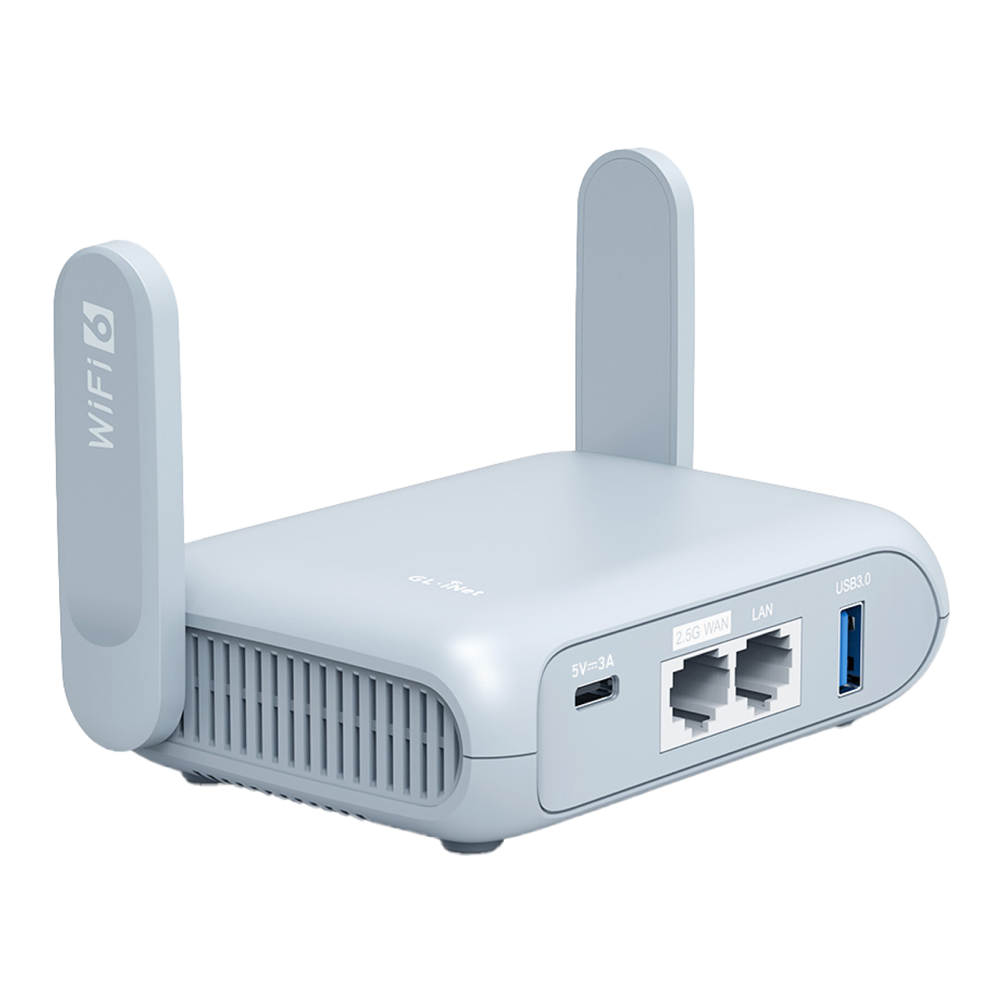
It fits anyone on the road a few times a year who already runs Tailscale or WireGuard at home. Skip it if they want the tunnel to saturate a fast fibre line, in which case the Wi-Fi 7 Beryl 7 costs about $30 more. The travel router guide compares both, and the router pairs well with the field kit in our sysadmin go-bag.
- Hardware: MediaTek MT7981B dual-core at 1.3 GHz, 512 MB RAM
- Ports: one 2.5G WAN and one 1G LAN
- VPN: WireGuard up to 300 Mbps and OpenVPN up to 150 Mbps (GL.iNet figures), Tailscale in the firmware
- Price: about $99 on October 31, 2026; check the live price
11. GL.iNet Comet IP-KVM (under $100)
Where the crash cart needs a laptop beside the server, an IP-KVM puts the server’s screen and keyboard in a browser anywhere on the network. The GL.iNet Comet does it for about $100, with 4K at 30 fps capture, an ISO mount for reinstalls and Tailscale in its app list. A homelabber can fix a box from the couch or from another city. There is no subscription, which you cannot say of every remote management product.
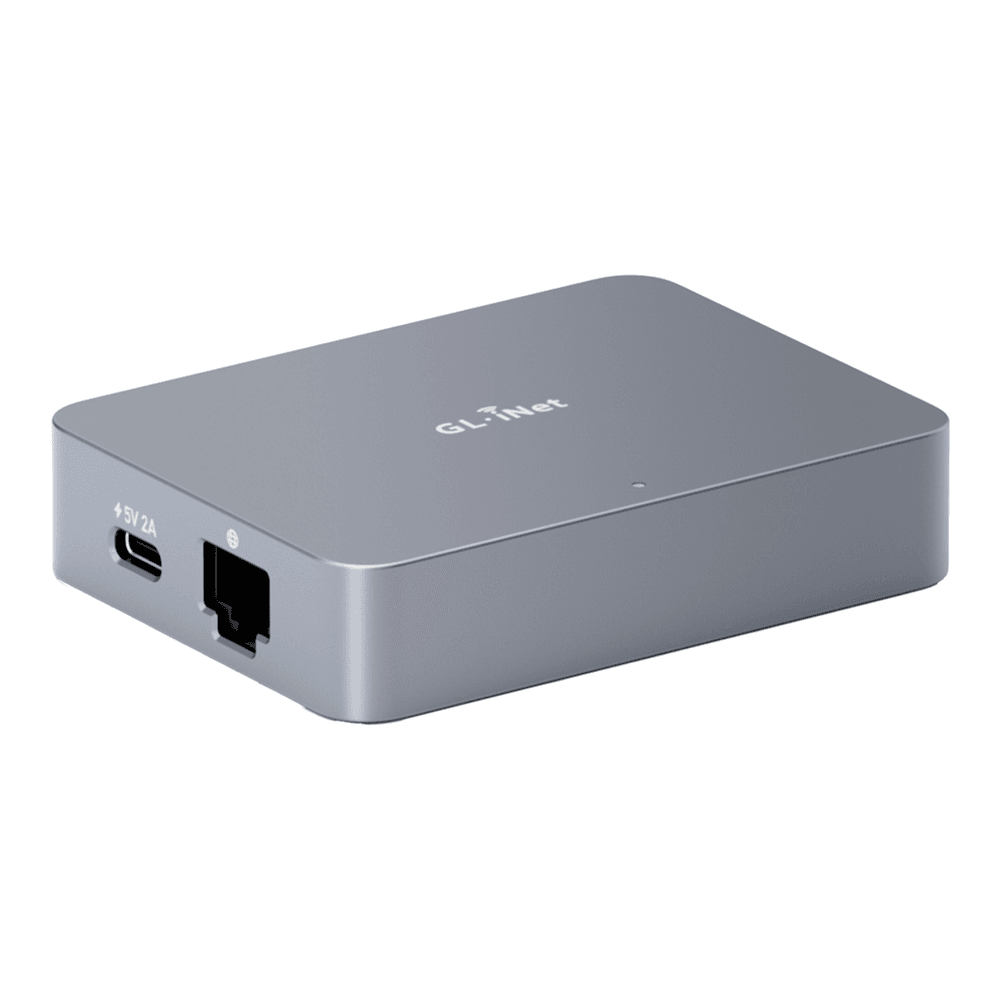
Homelabbers with a server they can’t easily walk to will use it most. Skip it if they need reliable remote power control, because the Comet’s Wake-on-LAN is best effort, and pressing the power button for real takes GL.iNet’s ATX add-on board. Our IP-KVM comparison sets it against JetKVM, PiKVM and NanoKVM.
- Capture: 4K at 30 fps, H.264 hardware encoding
- Hardware: quad-core ARM, 1 GB RAM, 8 GB eMMC, gigabit Ethernet
- Power: USB-C, 5 V at 2 A
- Price: about $100 on October 31, 2026; check the live price
12. 10-Inch Mini Rack Bundle ($250+)
The big homelab gift for 2026 is a 10-inch mini rack, and it beats any single device at this budget because it turns a shelf of loose boxes into one tidy unit. Start with the DeskPi RackMate T1, an 8U aluminium cabinet with acrylic sides. Add a 12-port patch panel and a pair of 1U shelves for mini PCs, and you are at about $165 on October 31, 2026 prices (check the live prices). Put the Comet from pick 11 in the same box and the bundle clears $250 as a rack they can manage remotely from day one.
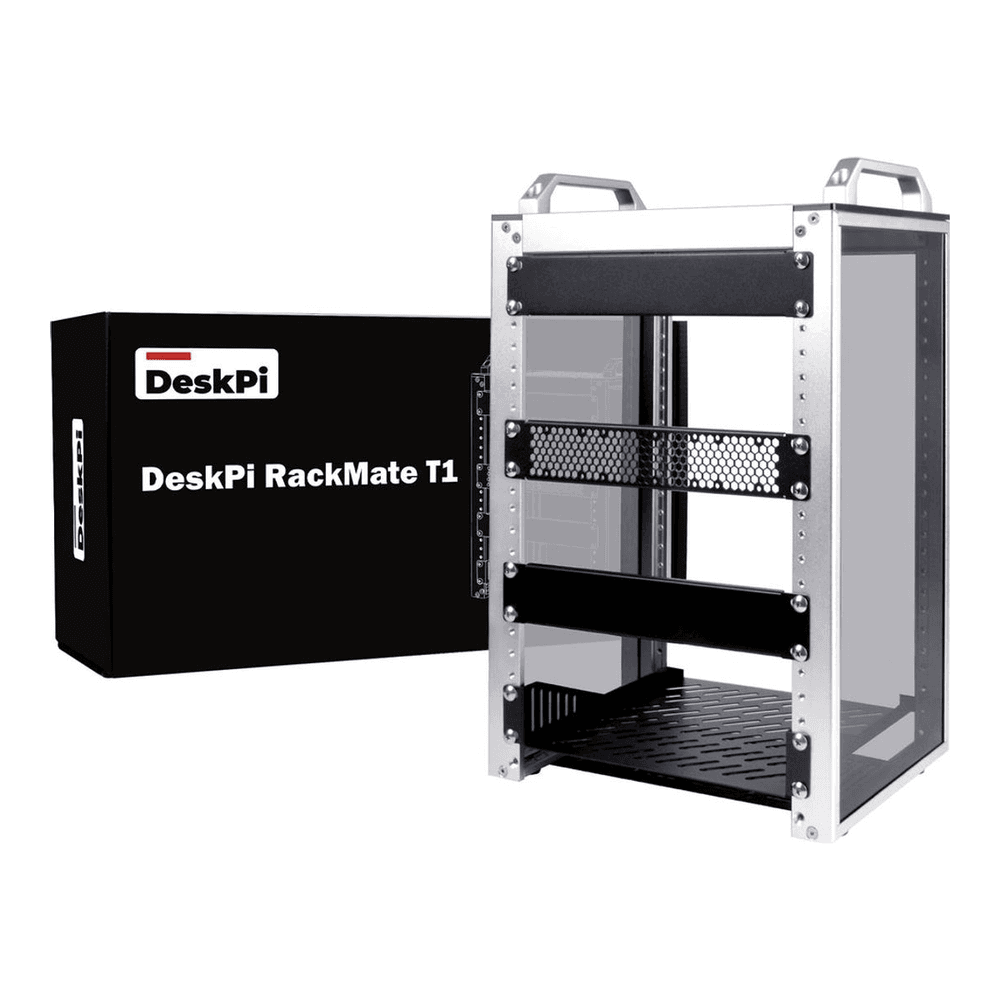
Who it’s for: a homelabber with two or more mini PCs, a small switch and a Pi or two on a shelf. Skip it if their gear includes anything long, because the T1 is only 200 mm deep, and mini PCs have no rack ears, so they always need a shelf. Our 10-inch mini rack build guide has the dimensions that decide what fits, and the rack accessories guide lists the panels and shelves.
- Rack: DeskPi RackMate T1 8U, sold on Amazon as the GeeekPi 8U network rack, about $120
- Patch panel: GeeekPi 12-port 0.5U Cat6 (ASIN B0D5XPNHHF), about $16
- Shelves: GeeekPi 1U shelf two-pack (ASIN B0DWMFR111), about $29
- Remote access: the GL.iNet Comet from pick 11, about $100
Where each gift falls short
Every gift above has one way to miss, and most of them come down to what the person already owns. Check these before you order, and ask a partner or teammate if you are unsure:
- Console cable: pointless if their laptop is USB-A only or they never touch switches; ask what laptop they carry.
- Pi 5 HAT: useless without a Pi 5, an NVMe SSD and, for PoE, a PoE+ switch port.
- Label maker: no PC or phone printing, and the batteries aren’t included.
- Crash cart: only works with a laptop next to the server, never over the network.
- Travel router: WireGuard tops out around 300 Mbps by GL.iNet’s own figure.
- IP-KVM: remote power needs the ATX add-on board, since Wake-on-LAN is best effort.
- Mini rack: 200 mm of depth rules out anything long, and every mini PC needs a shelf.
- Books: K&R stops at ANSI C, and the ML book uses PyTorch, not TensorFlow.
If you still cannot decide, the books are the low-risk choice at every budget, and the label maker is the gear pick that almost nobody buys for themselves. For a sysadmin who already has all of this, the mini rack bundle is the one that changes how their homelab looks and works.