Neuroscience
The brain’s protective barrier also blocks medicine. This engineer wants a way through
Rebecca Pinals built a blood-brain barrier on a chip to study how drugs could reach the brains of people with dementia.
We summarize the week's scientific breakthroughs every Thursday.
A record player-like microscope and computer simulations solve a longtime mystery, showing that metal ions bridge DNA strands that would normally repel.
Scientists knew that sliding along surfaces gives water drops a charge. Those droplets can damage bridges, cars and more over time, new work shows.
Three species preferred different people based on their skin odor and bacteria. The findings could help make new microbe-based repellants.
In 'Spider-Man: Brand New Day,' Peter Parker devises a superpower inhibitor based on a real therapy using RNA.
A scientist, a jar of pickles and a power strip walk into a room. The punchline involves physics, glowing condiments and a scientific party trick.
Researchers used machine learning to help predict chemical signatures for over 1 billion possible fentanyls, including variants never seen before.
The South Pacific blast may have consumed its own methane — but using this idea against the greenhouse gas is controversial.
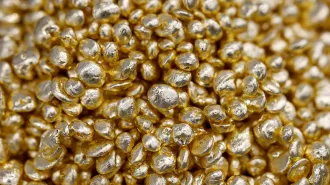
Metals like copper oxidize — reacting with oxygen in the air — but gold doesn’t, thanks to a quick switch in atom arrangement on its surface.
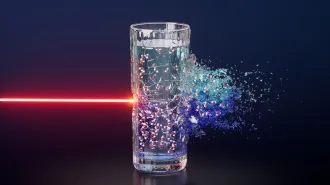
At cold temperatures, water has two different liquid phases, which become one at the critical point. The discovery could help explain water’s quirks.