Log In


Imperial Topaz
A variety of Topaz
This page is currently not sponsored. Click here to sponsor this page.
About Imperial Topaz
Formula:
Al2(SiO4)(F,OH)2
Colour:
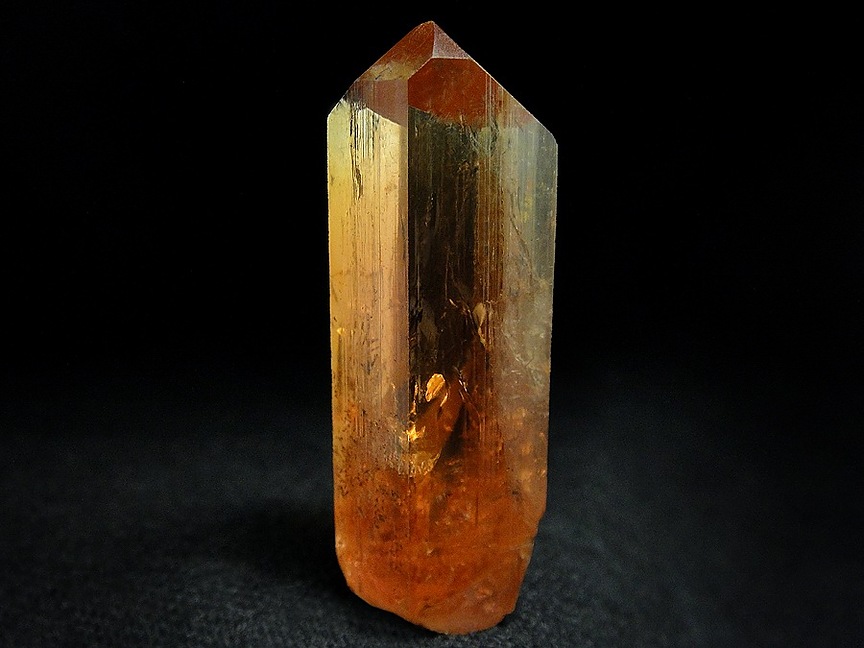
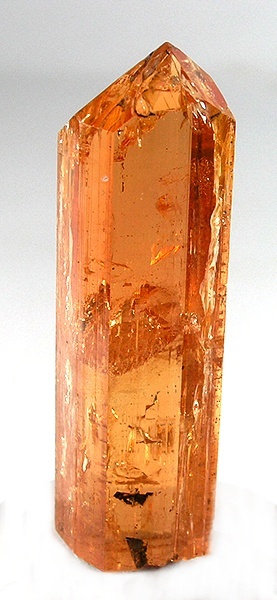
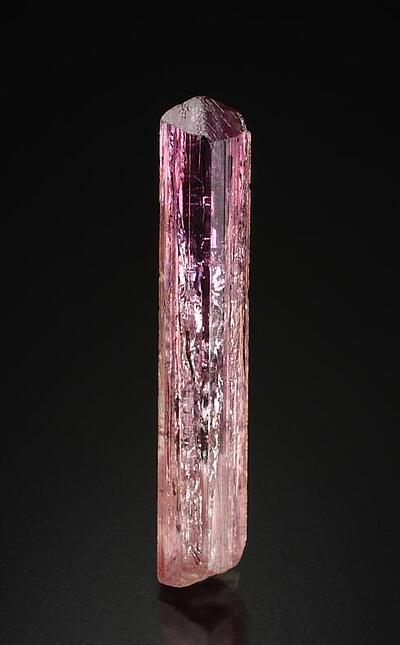
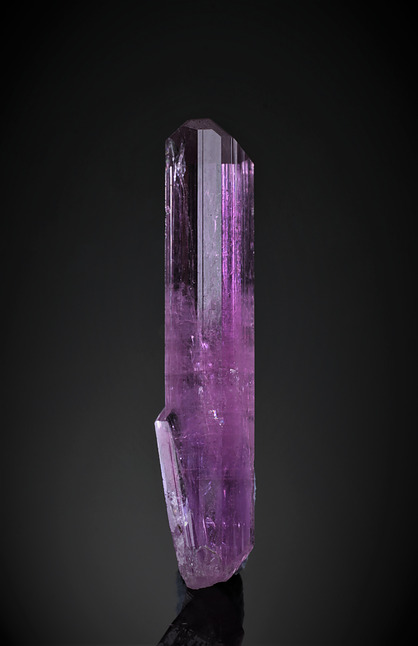
Golden yellow, orange, pink, red, purple
Name:
According to the GIA, the name for imperial topaz originated in 19th-century Russia. At the time, the Ural Mountains were the leading source of topaz, and the pink gemstone mined there was named to honour the Russian czar. Ownership of the gem was restricted to the royal family.
The name 'Imperial Topaz' is a varietal/marketing term that has been used in different ways by different people over time. It was originally used (according to the GIA) for a pink gem topaz mined in Russia. Later the name was applied to topaz from Ouro Preto, Brazil that is orange with red dichroism. There is no official standard, so today the definition has expanded to include colours like pinks, reds, lavender pinks and peach pinks.
 Visit gemdat.org for gemological information about Imperial Topaz.
Visit gemdat.org for gemological information about Imperial Topaz.Unique Identifiers
Mindat ID:
8110 (as Imperial Topaz)
3996 (as Topaz)
3996 (as Topaz)
Long-form identifier:
mindat:1:1:8110:4 (as Imperial Topaz)
mindat:1:1:3996:9 (as Topaz)
mindat:1:1:3996:9 (as Topaz)
Physical Properties of Imperial Topaz
Colour:
Golden yellow, orange, pink, red, purple
Chemistry of Imperial Topaz
Mindat Formula:
Al2(SiO4)(F,OH)2
Element Weights:
Common Associates
Associations Based on Photo Data:
Other Information
Health Risks:
No information on health risks for this material has been entered into the database. You should always treat mineral specimens with care.
Internet Links for Imperial Topaz
mindat.org URL:
https://www.mindat.org/min-8110.html
Please feel free to link to this page.
Please feel free to link to this page.
Search Engines:
Mineral Dealers:
References for Imperial Topaz
Localities for Imperial Topaz
Showing 9 localities.
 symbol to view information about a locality.
The
symbol to view information about a locality.
The Locality List
 - This locality has map coordinates listed.
- This locality has estimated coordinates.
ⓘ - Click for references and further information on this occurrence.
? - Indicates mineral may be doubtful at this locality.
- This locality has map coordinates listed.
- This locality has estimated coordinates.
ⓘ - Click for references and further information on this occurrence.
? - Indicates mineral may be doubtful at this locality.
 - Good crystals or important locality for species.
 - World class for species or very significant.
(TL) - Type Locality for a valid mineral species.
(FRL) - First Recorded Locality for everything else (eg varieties).
- World class for species or very significant.
(TL) - Type Locality for a valid mineral species.
(FRL) - First Recorded Locality for everything else (eg varieties).
All localities listed without proper references should be considered as questionable.
Brazil | |
| USGS Professional Paper 341B |
| Sauer (1982) +2 other references | |
| Johnson (1962) |
| Sauer (1982) | |
| Sauer (1982) +1 other reference | |
| Sauer (1982) +1 other reference |
Russia | |
| P. Lyckberg +1 other reference |
Zambia | |
| Stanislav Vrána photo 364440 (pers. comment) |

Ouro Preto, Minas Gerais, Brazil