



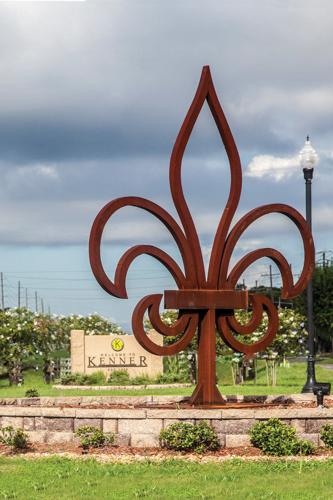




The Times-Picayune is marking the tricentennial of New Orleans with its ongoing 300 for 300 project, running through 2018 and highlighting the moments and people that connect and inspire us. Today, the series continues with the resurgence in popularity of the fleur-de-lis as a symbol of post-Katrina resiliency in the city.
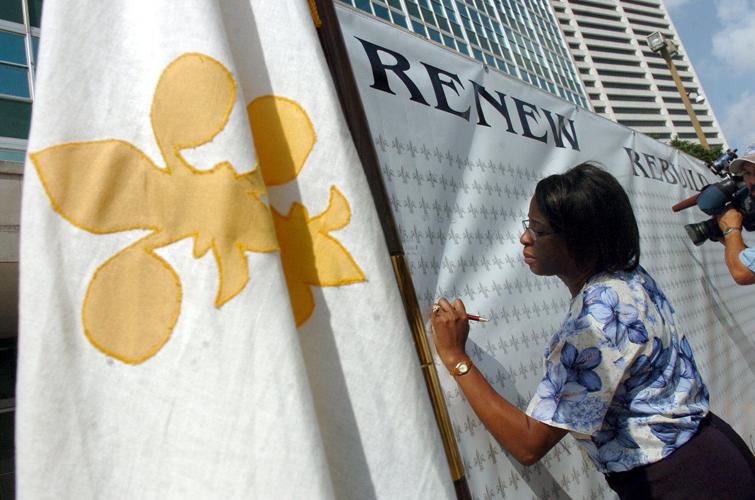
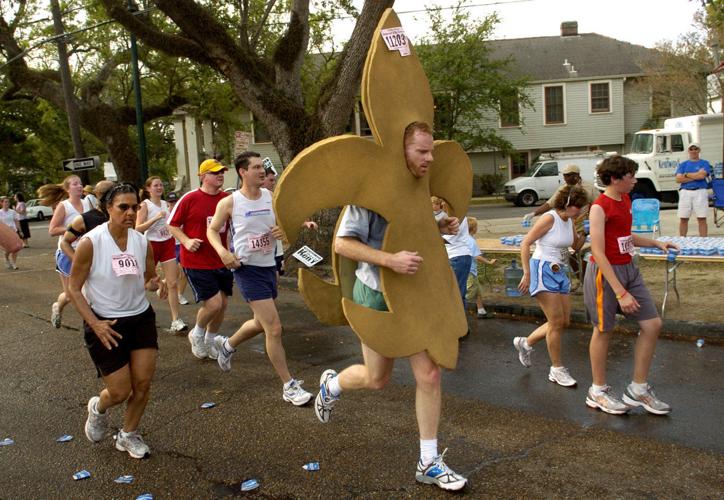
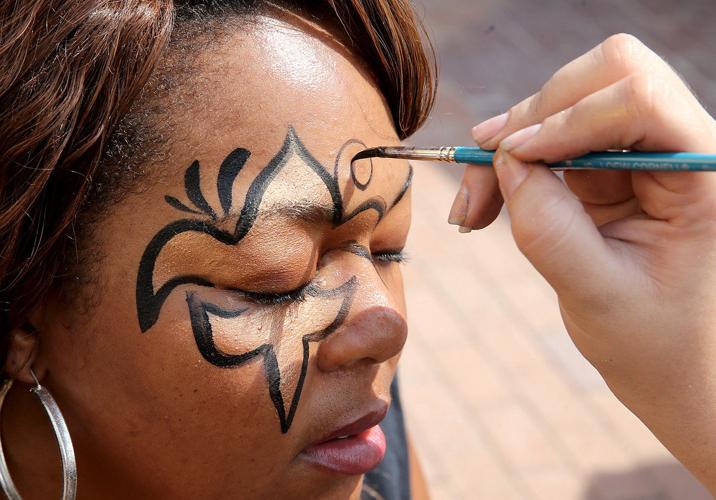
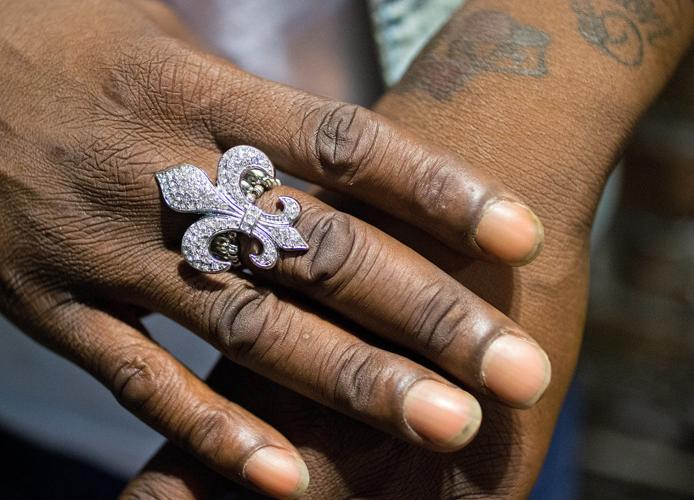
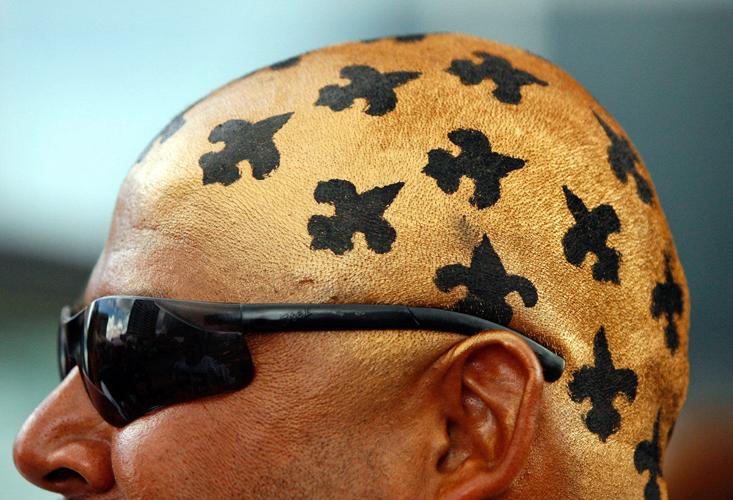
THEN: In the weeks after Hurricane Katrina and the ensuing floodwaters ravaged New Orleans, several things became familiar: blue tarps where roofs used to be. Ruined refrigerators, shut tight with duct tape, on curbs. Heaps of storm debris piled high. And fleurs-de-lis -- on banners, jewelry, clothing, greeting cards, T-shirts, glassware and even on people's skin. While it had long been a symbol of the city (and its football team), in the wake of the devastating storm it become more -- a symbol of pride, of strength, of defiance and of determination to rebuild one of America's great cities.
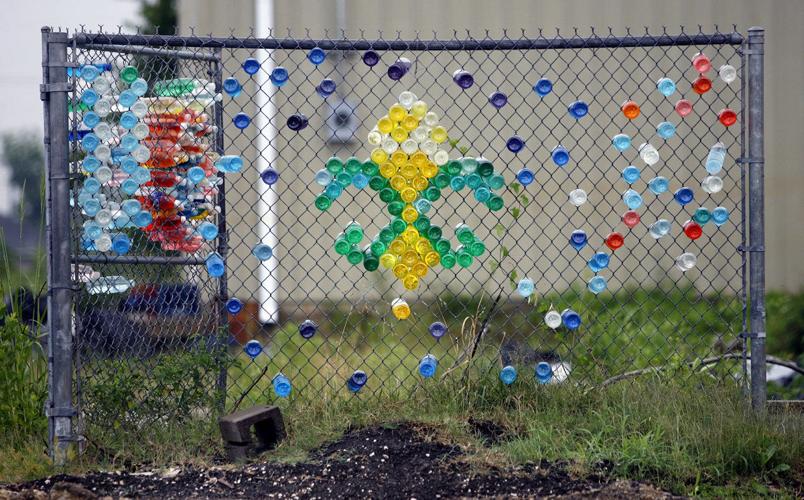
NOW: A dozen years after the storm, the fleurs-de-lis abound. While no one is nostalgic for the horror that Katrina inflicted upon the New Orleans area, these flowers remind us of what we can endure - and overcome.
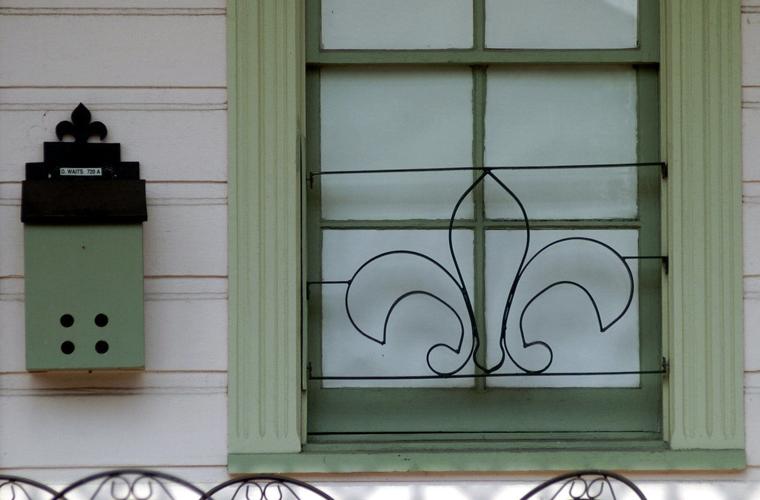
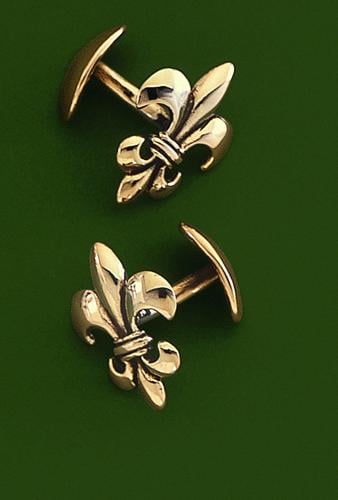
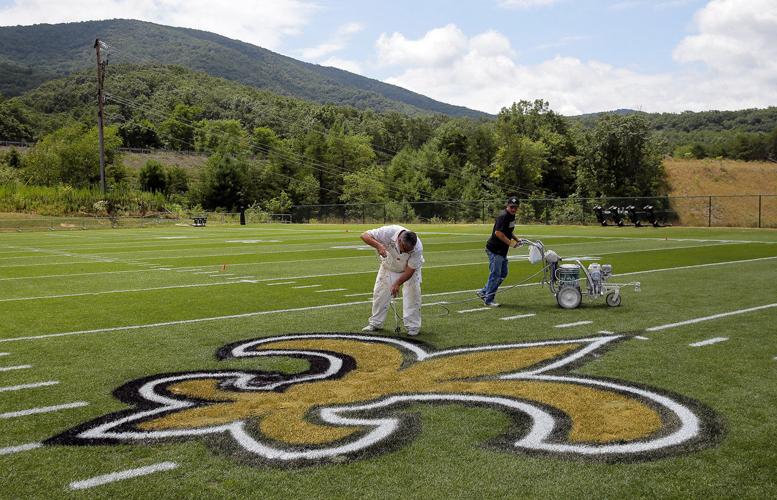
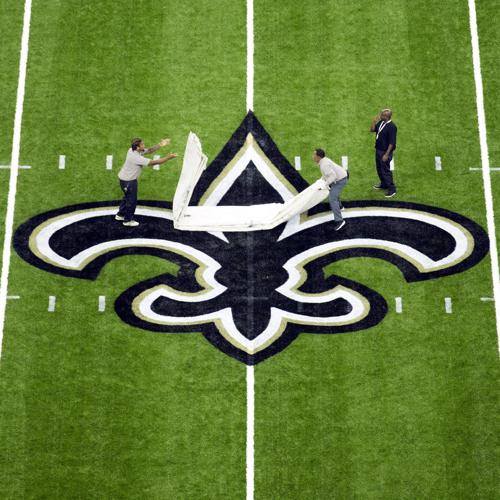
- New Orleans isn't the only city where the fleur-de-lis (French for "flower of the lily") is common. It's everywhere in Florence, Italy. But there are differences: The New Orleans version, in a nod to the city's French heritage, is relatively simple, with three petals joined by a band, while the Florentine variety has stamens between the petals, and the tips of the petals and stamens form flowers.
The reasons for the fleur-de-lis' popularity are complex. For some, it represented a tie to the city's French heritage and to the home they loved. For others, it represented the challenge of bringing New Orleans back. And others saw it as a symbol of defiance, a way of showing that the storm wasn't going to defeat them. In the anxious months after the storm, when nothing seemed certain, Frey wrote that the fleur-de-lis "has taken on a new metaphoric resonance as it tries to speak of the unspeakable in ways that words alone cannot. In the aftermath of Katrina, it has become a powerful, effective signifier of the city's rebirth. In a sense, the fleur-de-lis has been vested with a significance far beyond our separate histories. It is the vehicle of our imagination of what the 'new' New Orleans can be."
John Pope, contributing writer
Sources: Staff research, Columbia News Service
More on 300 for 300:
- Learn about the 300 for 300 series
