

Graphic design is the practice of combining visual elements such as typography, images, colours, shapes, and layouts to communicate information, ideas, or messages. It is used in both digital and print media, including logos, advertisements, websites, packaging, publications, and social media graphics. Graphic design helps make information clear, engaging, and visually appealing while maintaining a consistent visual style.
- Communication: Uses visual elements to convey ideas and information clearly.
- Problem Solving: Organizes text, images, colors, and symbols to communicate effectively.
- Branding: Helps create a consistent visual identity for a brand.
- Advertising: Attracts attention and promotes products, services, or ideas.
- Visual Engagement: Makes information more engaging and easier to understand.
Elements of Graphic Design
The basic elements used to create a graphic design are:
- Line: Used to separate, connect, or guide attention between elements.
- Shape: Used to create structure and visual interest.
- Colour: Helps communicate meaning, create contrast, and establish visual identity.
- Typography: Arranges text to make it readable and visually effective.
- Space: Creates room between elements and prevents the design from looking cluttered.
- Images: Photos, illustrations, and icons help communicate or support information.
Common Types of Graphic Design
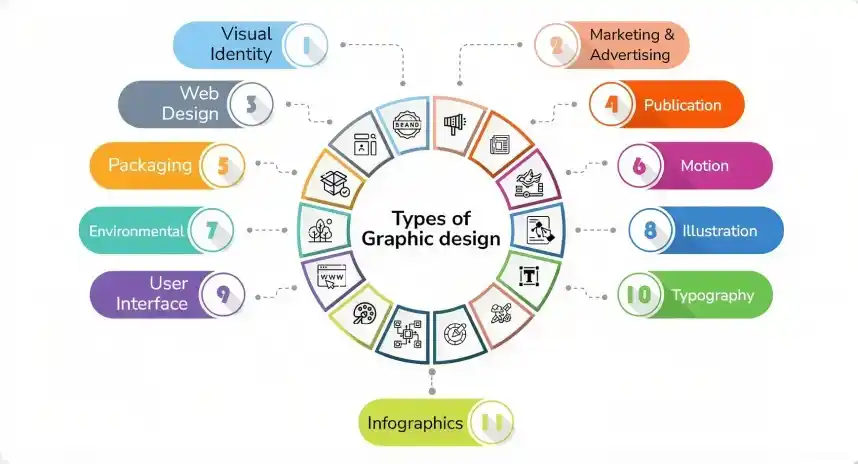
Graphic design is a broad field with various specializations, each serving different purposes:
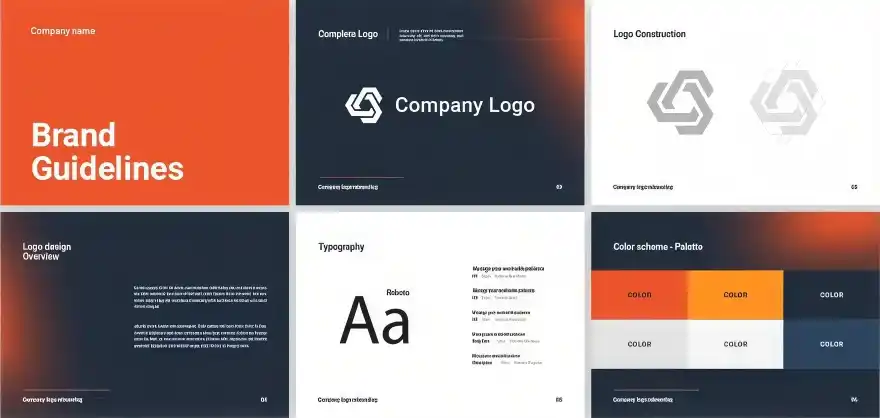
1. Visual Identity
Visual identity design focuses on creating the visual elements that define a brand. Designers in this field develop logos, typography, color schemes, and brand guidelines to ensure consistency across all brand materials.
2. Marketing & Advertising
Marketing and advertising design creates visual content for promoting products, services, or campaigns. Examples include advertisements, posters, brochures, and social media graphics.

3. Web Design
Web design involves creating engaging and aesthetically pleasing online experiences for users. Designers focus on the layout, color scheme, typography, and usability of websites. The aim is to make websites functional, easy to navigate, and visually appealing, enhancing the overall user experience.

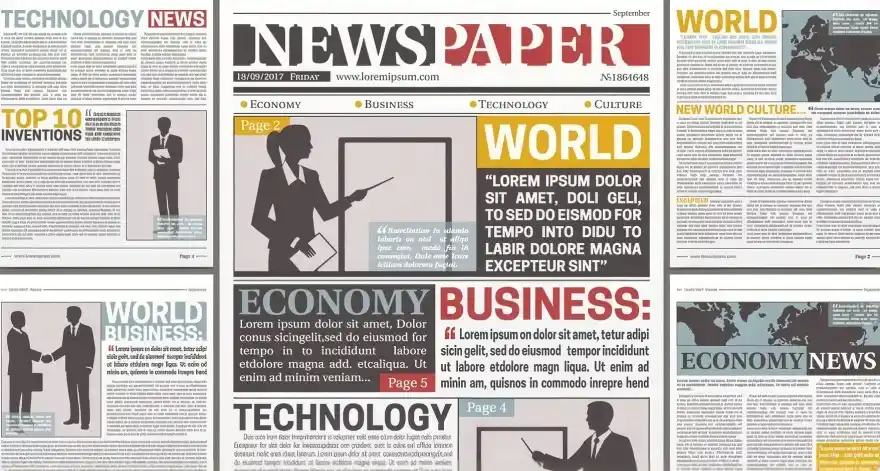
4. Publication
Publication designers work with printed materials like books, magazines, and newspapers. They design layouts that are both visually appealing and easy to read, ensuring the content is well-organized and engaging.
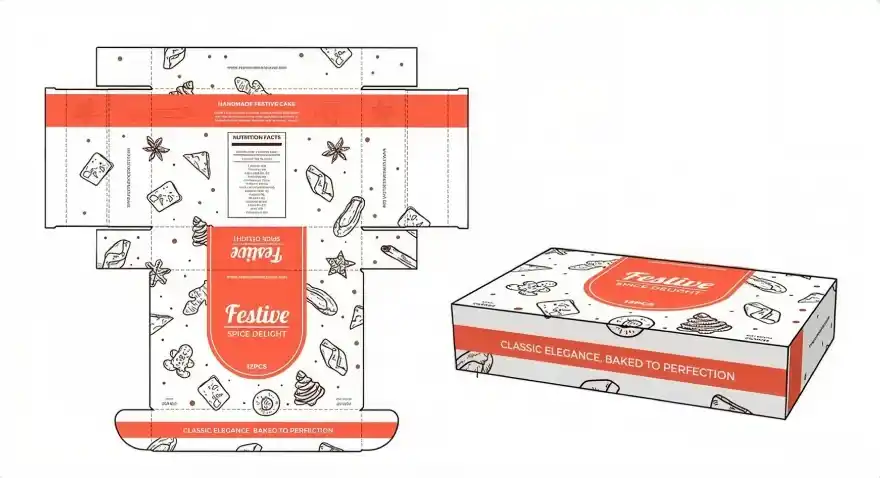
5. Packaging
Packaging design is crucial for attracting customers and reinforcing brand identity. It’s not just about aesthetics—packaging needs to be functional and convey key product information.
6. Motion
Motion graphics bring visual elements to life through animation and audio, which can be used in advertisements, animated logos, and explainer videos. This dynamic form of design can make complex ideas more accessible and engaging through movement.

7. Environmental
It combines graphic design with elements of architecture and interior design to help people navigate and interact with physical spaces. Examples include wayfinding systems, signage, murals, branding, and informational displays.

8. Illustration
Illustration uses original drawings or artwork to communicate ideas and add a distinctive visual style to a design. It is commonly used in areas such as books, editorial content, advertisements, and packaging.

9. User Interface
UI design focuses on the aesthetics of user interfaces for software, websites, and apps. The goal is to create interfaces that are intuitive and easy to use, with careful consideration given to the placement of buttons, icons, typography, color schemes, and responsive design.

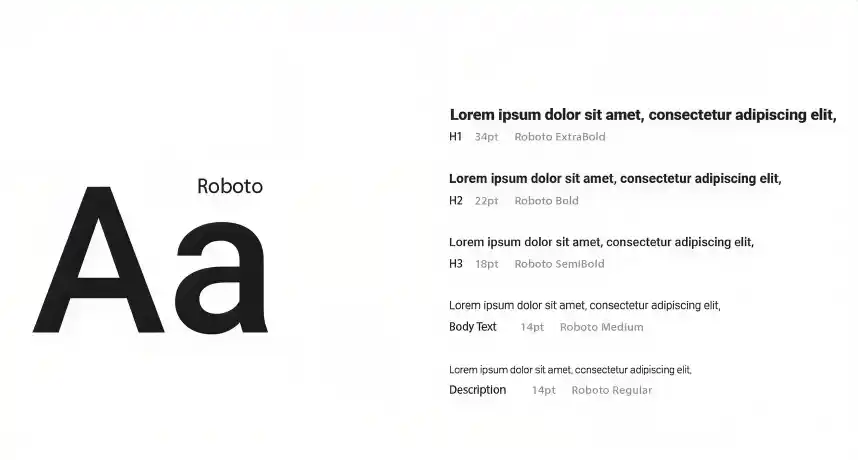
10. Typography
Typography is an art form that involves choosing typefaces, adjusting font size, and spacing letters to improve readability and visual appeal. Good typography can dramatically enhance the effectiveness of a design by ensuring the text is both readable and attractive.
11. Infographics
Infographics are visual representations of information, data, or knowledge intended to present content quickly and clearly. Graphic designers in this field distill complex data into digestible, engaging graphics that communicate information at a glance.
Principles of Graphic Design
Graphic design principles are guidelines that help designers arrange visual elements to create clear, balanced, and effective designs.
- Balance: Distributes visual weight to create stability.
- Contrast: Creates differences between elements to highlight important information.
- Hierarchy: Organizes elements according to their importance.
- Alignment: Positions elements along common edges, centers, or baselines.
- Repetition: Reuses visual elements to create consistency.
- Proximity: Groups related elements together.
- White Space: Provides space between and around elements to improve clarity.
- Unity: Makes the elements of a design feel visually connected.
Tools Used in Graphic Design
Graphic designers use different software depending on the type of design:
- Adobe Creative Cloud: Includes tools such as Photoshop, Illustrator, and InDesign for image editing, vector graphics, illustration, typography, and print or digital layouts. Adobe also provides AI-powered features through its creative tools.
- Figma: A collaborative design and prototyping platform used for interface design, design systems, interactive prototypes, and digital product design. It also includes AI-assisted and development-oriented workflows.
- Canva: A template-based visual communication platform used for social media graphics, presentations, marketing materials, and other visual content.
- CorelDRAW Graphics Suite: Used for vector illustration, page layout, photo editing, and typography.
- Sketch: A digital design platform primarily focused on interface design, prototyping, and design workflows.
Must Read: Difference between Vector and Raster.
