


INXS – the singles, the albums
It began in the drinking dens down under at the tail end of the 70s, and ended tragically 20 years later in a Sydney hotel room. Yet for a time in the 80s, INXS enjoyed the same exalted status as rock heavyweights U2 and REM… By David Burke
As The Farriss Brothers, INXS paid their dues on the Western Australian pub circuit in the late-70s, flirting with new wave and synth pop before making their mark globally as a consummate rock outfit with distinctive pop and soul influences.
Their success in the UK and the US particularly, owed much to mercurial frontman Michael Hutchence, described by music critic Ian McFarlane as: “the archetypal rock showman, who exuded an overtly sexual, macho cool, with his flowing locks, and lithe and exuberant stage movements”.
It was three years after their formation in 1977, that INXS released their eponymously-titled debut, a big seller at home along with its follow-up, Underneath The Colours.
Their 1982 album, Shabooh Shoobah, propelled the band on to the international stage and spawned a minor hit single in The One Thing.
A subsequent tour Stateside piqued the interest of Chic’s Nile Rodgers, who convened with the group for a series of sessions in New York’s Power Station Studio, resulting in the slickly produced Original Sin.
They would have to wait until 1985 before a bona fide mainstream breakthrough with Listen Like Thieves, which climbed to No.11 in the US on the back of the single, What You Need.
Listen Like Thieves was essentially a template for Kick, the album that finally made INXS international superstars.
Issued in 1987, it achieved multi-platinum status and a quartet of Top 10 singles in the States. Hutchence was acclaimed by some as the pretender to Mick Jagger’s throne, and INXS were regarded as serious rivals to U2.
But this was to prove their halcyon period.
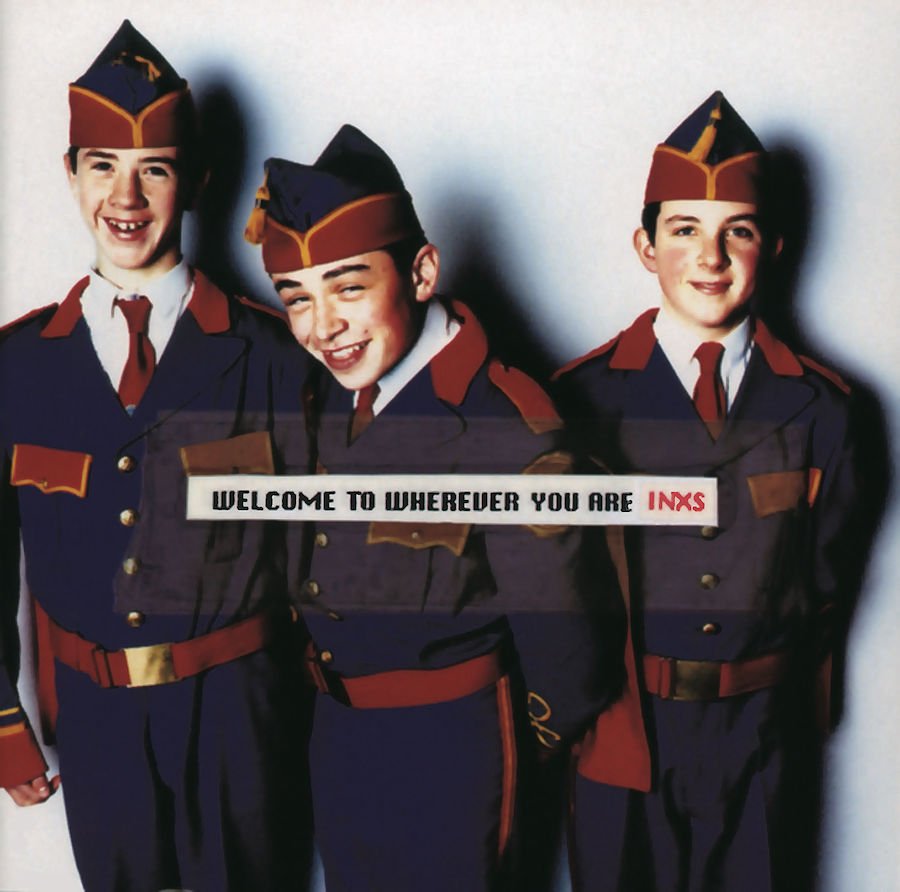
1990’s X, while lauded by Rolling Stone for its “big audience rock’n’roll that feels right for the times”, reeked of excess. Sales were disappointing and by the time of 1992’s Welcome To Wherever You Are, they were passé.
However, Hutchence was still making the front pages of the tabloids for the wrong reasons, as his affair with Bob Geldof’s wife, Paula Yates, caused a scandal. Tragically, Hutchence was found dead in a Sydney hotel suite in 1997, and the band never recovered their mojo.
In 2005, members of INXS participated in a reality television series broadcast worldwide, culminating in the selection of their new lead singer, Canadian JD Fortune.
With Fortune, the band released Pretty Vegas and Afterglow as singles, and the album Switch in 2005.
Fortune would also contribute vocals on The Stairs which featured on the INXS tribute album Original Sin in 2010.
The must-have albums
THE SWING, 1984
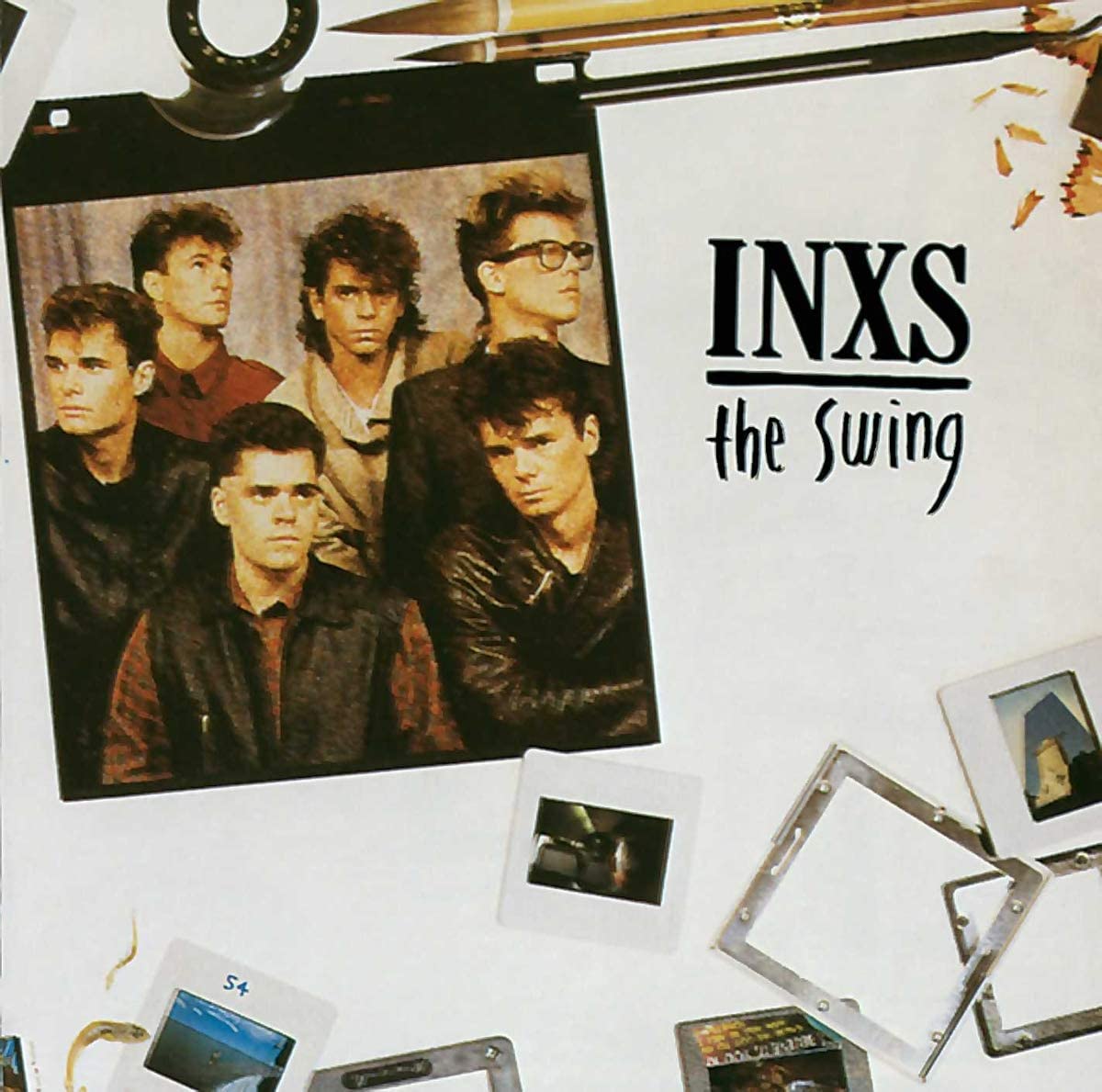
After breaking the US with 1982’s Shabooh Shoobah, INXS had a bigger budget and bigger ambition on The Swing, the first time they had recorded outside their native Australia.
The group juxtaposed their rock roots with a sleeker, poppier sound on their fourth album, anchored by the single, Original Sin, which was produced by Chic alumnus Nile Rodgers at the Power Station in New York City, and featured Daryl Hall of Hall & Oates on backing vocals.
Hall said afterwards: “I don’t know why because they’re good singers. They didn’t need me, but I did it anyway.”
In many ways, The Swing established INXS’ signature sound, a hotchpotch of influences, developing on the indie rock and dance funk of Shabooh Shoobah.
Critic Ian McFarlane wasn’t wrong when he claimed the collection: “boasted all the confident swagger and accomplished rock hooks of a band on the cusp of international acceptance”.
The Swing chalked up another Australian No.1 for INXS but, more importantly, gave them their first American Top 75 entry, eventually reaching No.52.
LISTEN LIKE THIEVES, 1985
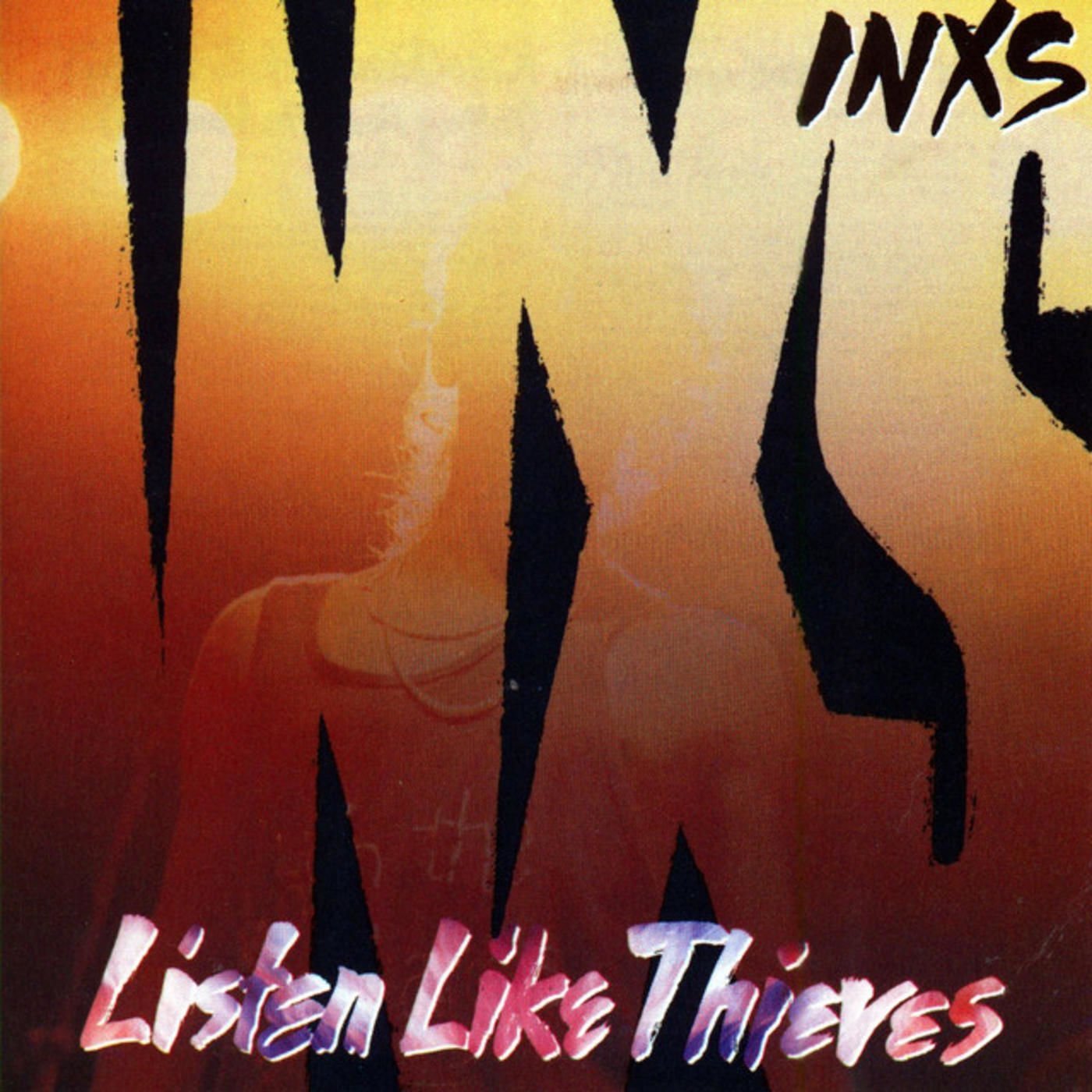
In a bid to validate themselves as an Australian band on the world stage, INXS drafted in Chris Thomas to produce Listen Like Thieves.
Midas man Thomas, who had previously worked with such pedigree acts as The Beatles, Pink Floyd, Elton John, Paul McCartney, The Pretenders and Sex Pistols, flew to Sydney, where he spent three months honing the album.
As it neared completion, he rifled through some demos to discover what he hoped were the bones of a hit single, settling on a track provisionally entitled Funk Song No.13.
“It was great,” he recalled afterwards. “I thought, I could listen to that groove for 10 minutes! So, I said, ‘Let’s work with that groove’.”
That groove morphed into What You Need, which crested at No.5 in the US and finally registered INXS’ debut appearance in the British charts, albeit stalling at No.51.
Elsewhere, the anthemic Kiss the Dirt (Falling Down The Mountain) and Shine Like It Does are perfect stadium fodder, while Biting Bullets recalls the early rockier incarnation of the group… the touchpaper had certainly been lit.
KICK, 1987
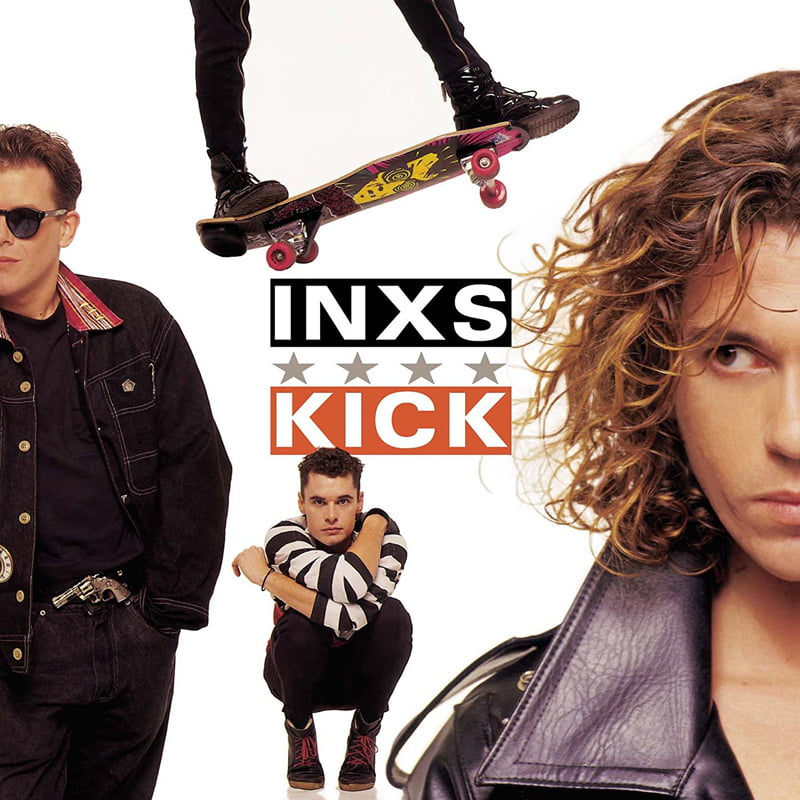
“We wanted an album where all the songs were possible singles,” said guitarist Kirk Pengilly of INXS’ sixth long player. It was a case of mission accomplished, with Kick yielding six 45s in all, including the US No.1 Need You Tonight, as well as New Sensation and Devil Inside.
Chris Thomas was at the production controls again, though Atlantic Records weren’t especially enamoured with the
final cut.
INXS manager Chris Murphy recalled: “They hated it. They said there was no way they could get this music on rock radio. The president of the label told me that he’d give us $1 million to go back to Australia and make another album.”
Thankfully, the band declined the offer and Kick went on to become their most successful album, going seven-times platinum on their home territory, six times in the US and three times in the UK.
Add to that five gongs for Need You Tonight at the MTV Video Music Awards and you’re left (not for the first time) stunned at the suits’ myopia.
WELCOME TO WHEREVER YOU ARE, 1992
With the alternative becoming mainstream – this was the era of grunge – INXS shifted gear on Welcome To Wherever You Are, a new direction that embraced sitars, a 60-piece orchestra and a rawer sound.
They were reunited with producer Mark Opitz 10 years after he manned the desk on Shabooh Shoobah.
Opitz set about dismantling the sonic scaffolding that was a feature of Chris Thomas’ work on Listen Like Thieves, Kick and X, and supplanting it with a stripped-back approach.
He used a similar technique to that deployed by producers in the 60s, mixing the vocal back: ”so the band would sound louder, punchier and harder”, according to guitarist Tim Farriss. It makes for what Q magazine hailed as: “A far more engaging and heartfelt collection than anything the group has put out in recent memory – it rocks”.
Sure does. But there are also moments of sublime beauty, not least on Baby Don’t Cry and Men And Women, both impelled by the glorious strings and woodwind of the Australian Concert Orchestra.
And the rest…
SHABOOH SHOOBAH, 1982
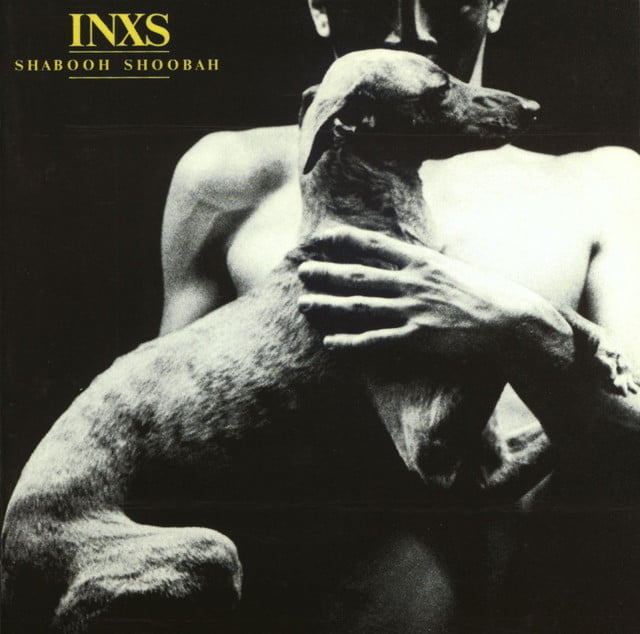
The album that launched INXS worldwide evolved out of a self-financed 1982 session to record a new song, The One Thing, with Mark Opitz.
It turned out so well, the band hired Opitz to produce a further three songs and eventually Shabooh Shoobah.
“Mark was the first producer that was able to capture some glimmer of what the band felt it was like live,” said guitarist Tim Farriss.
The album packs a post-punk punch and contains some stellar grooves – particularly on Don’t Change, which remains one of INXS’ best-loved tunes, and the passionate paean to inebriation, Golden Playpen – and represents the emergence of a potential songwriting partnership between Michael Hutchence and Andrew Farriss.
Word of their imminent greatness had spread to the US, where The One Thing broke the Top 30.
X, 1990
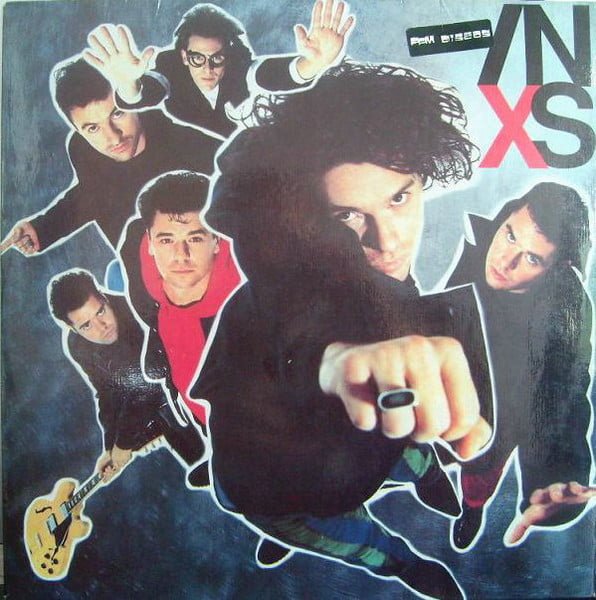
Having gone global with the multi-million unit-shifting Kick, INXS took three years to birth a successor. And while the sales figures again looked good (double platinum in Australia, the US and Canada), X was little more than a doppelganger (and a not very convincing one at that), a shameless attempt at cashing in on a previously successful formula.
Michael Hutchence claimed at the time: “We had to follow up (on Kick), otherwise we’d disappear.” That pressure to maintain their impetus led the band to riffle through their back pages for songs they could use on X.
Lately features a lyric by Andrew Farriss originally penned during the sessions for Listen Like Thieves, and Disappear was written by Hutchence with Jon Farriss when they were living in Hong Kong.
In hindsight, maybe a break would have been the best course of action for INXS and Hutchence.
FULL MOON, DIRTY HEARTS, 1993
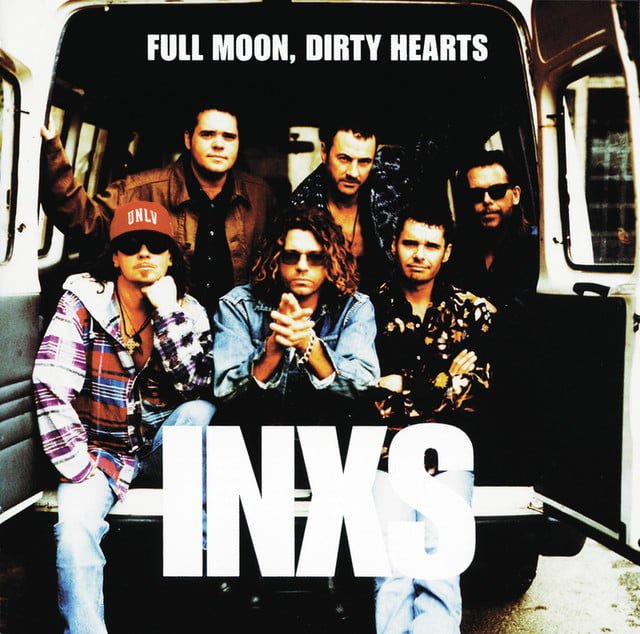
Prior to the recording of Full Moon, Dirty Hearts, a drunken Michael Hutchence was leaving a Copenhagen nightclub with then girlfriend, Danish supermodel Helena Christensen, when a scuffle with a taxi driver ended with the singer out cold on the pavement with a fractured skull.
The injury led to some erratic behaviour by Hutchence during the sessions. Guitarist Kirk Pengilly recalled: “very violent moments – he threw his microphone stand around inside the studio, and he threw violent tantrums all the time”.
Hutchence’s assertion that one track needed “more aggression” was reflected in much of the album, a sort of throwback to INXS’ pub rock roots, harder-edged and more muscular.
Though someone should have advised him against the Jim Morrison impersonation on the spoken word closer, Viking Juice.
ELEGANTLY WASTED, 1997
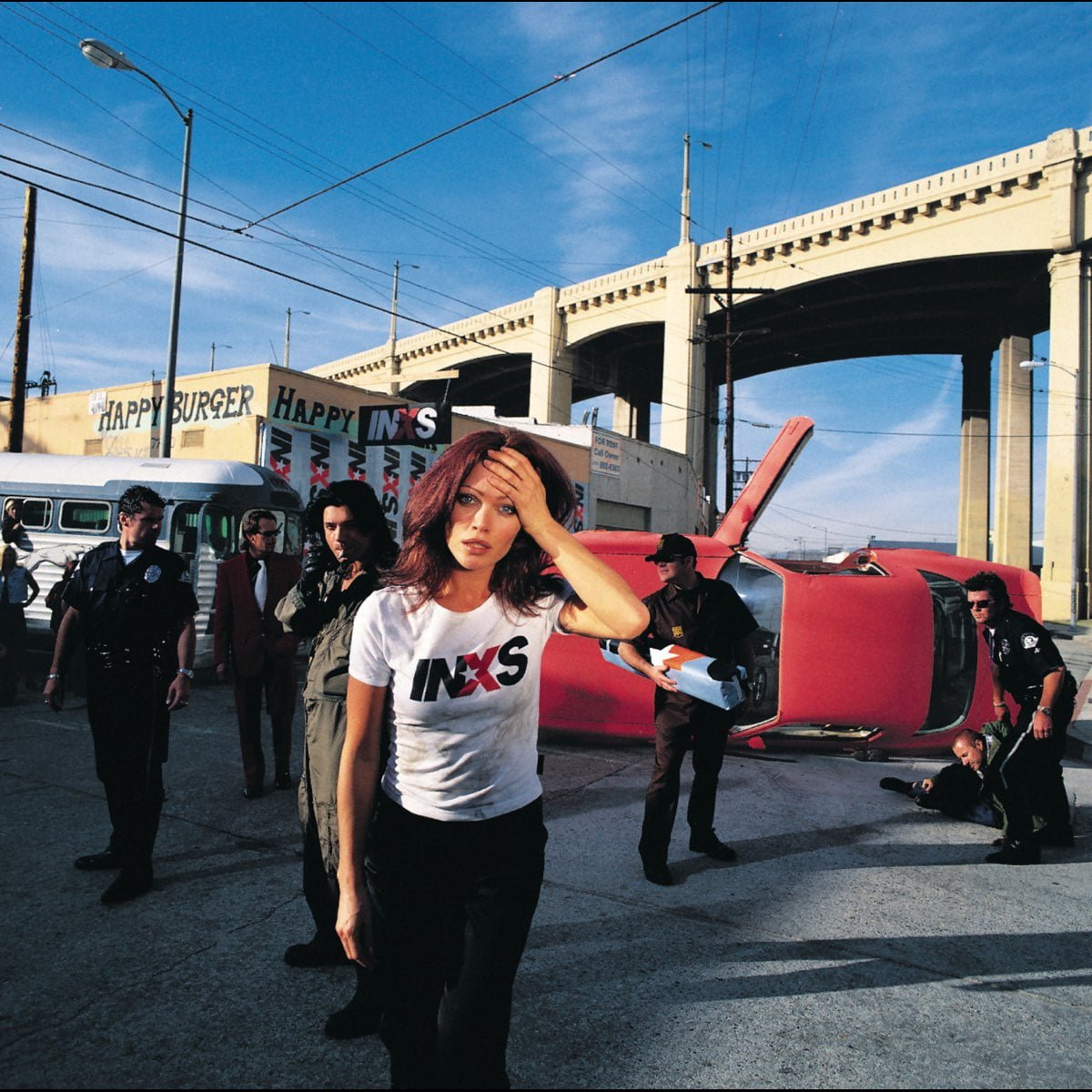
The final album recorded with Michael Hutchence was INXS’ first with PolyGram/Mercury Records after the termination of their contract with Atlantic Records.
During a lengthy sabbatical prior to recording, Hutchence – who said he “wanted to get off the old carousel for a while” – had started work on what was intended to be his debut solo album.
However, the singer put the project on the back-burner when he and Andrew Farriss got together to write some new material for the band.
Upon hearing rough demos, co-producer Bruce Fairbarn was “impressed with the feel and the different sounds that they’d been using”. Yet there’s little to suggest that “different sound” on Elegantly Wasted, which, as Rolling Stone points out, features the usual: “sinuous dance grooves and crackling bursts of guitar”. Hutchence died during the final leg of the tour.
- Read more: INXS interview
The singles
THE ONE THING, 1982
INXS’ first American hit single was given a considerable leg-up by the accompanying video, their first to air on the fledgling MTV channel.
Directed by Soren Jensen, then assistant director on Aussie TV soap The Young Doctors (Michael Hutchence’s mother, Patricia, was a make-up artist for the show), it featured the band at a decadent banquet with several models, among them Hutchence’s girlfriend at the time, Michele Bennett, as well as Susan Stenmark and Karen Pini.
“We fed Valium to a few cats and had them running around a table while we had a feast with sexy models and Playboy centrefolds, ripping apart a turkey. Next thing we knew we had a Top 40 hit in America and were opening for Adam Ant,” recalled guitarist Tim Farriss of the shoot.
The song is actually included on the video game, Grand Theft Auto: Vice City Stories.
ORIGINAL SIN, 1983
Produced by Chic’s Nile Rodgers and featuring Daryl Hall on backing vocals, Original Sin, according to Michael Hutchence, was about: “Kids and conditioning – growing up. How you grow up through other people’s ideas or your own.”
Rodgers put an interracial spin on the lyrics, written by Hutchence and Andrew Farriss. He explained: “The original lyrics were ‘Dream on white boy, dream on white girl’. I said, ‘Why not make it black boy, white girl?’ I come from an interracial couple. Psychologically that makes it a bigger statement.”
Apparently, INXS daring to tell a white boy and black girl to “play with fire” and “dream on, the name of love” got the song banned by some US radio stations.
The group re-recorded Original Sin as a dance track with Rob Thomas and Cuban rapper DJ Yalediys in 2010.
NEED YOU TONIGHT, 1987
Need You Tonight is all about the riff, and, according to guitarist Andrew Farriss, that riff suddenly came to him when he was waiting for a taxi to the airport. Farriss asked the cabbie to wait while he grabbed something from his hotel room.
In fact, he went back to record the riff and returned an hour later to a disgruntled driver, but with his inspiration captured on tape. Michael Hutchence added some lusty lyrics.
The song has a more electronic feel than most of INXS’ material, combining sequencers with regular drum tracks and several layers of guitar.
It was the band’s only US No.1 single, and also gave them their highest chart position in the UK, stalling at No.2 after it was reissued in 1988.
Bonnie Raitt recorded a version on her 2016 album, Dig In Deep, remarking that singing it “feels exactly as sexy as it sounds”.
DEVIL INSIDE, 1988
The second single from the monster-selling album, Kick, was kept off pole position on the Billboard 200 by Billy Ocean’s Get Outta My Dreams, Get into My Car and Where Do Broken Hearts Go? by Whitney Houston.
On INXS’ 1988 US tour, Hutchence dedicated the song to televangelist Jimmy Lee Swaggart, whose dalliances with prostitutes around this period led to his resignation as head of Jimmy Swaggart Ministries.
Hutchence told Rolling Stone: “It surprises me that people are so outraged that Swaggart gets busted. It’s incredible how people are raised above and become pious individuals and everybody looks up to them and they have complete faith.
“It’s wonderful to have faith, but I don’t think the Pope is better than anyone else. By addressing the devil – and I don’t believe in the devil, it’s a metaphor – and not trying to achieve the angel, we’re a lot better off.”
NEVER TEAR US APART, 1988
Andrew Farriss composed the music for Never Tear Us Apart in New Zealand, when the rest of the band were playing tennis with an A&R man by the name of Jimmy Hendrix.
He remembered: “I sat down on an upright piano and started working on the chords. I thought it had potential and asked Michael (Hutchence) what he thought of it. He told me he really liked it, so I recorded a blues-style demo for him. I gave the demo to Michael, and the eventual lyric that he wrote was truly inspired. Straight from the heart. I know how much that lyric meant to him.”
At Hutchence’s funeral service in 1997, the song played in the background as the remaining members of INXS and the singer’s younger brother, Rhett, carried his coffin.
SUICIDE BLONDE, 1990
Written by Michael Hutchence and Andrew Farriss when INXS reconvened after a year-long sabbatical in 1989, the inspiration for the song was supposedly the singer’s then squeeze, Kylie Minogue.
The actress-turned-pop singer was asked to dye her hair platinum blonde for her part in the Australian drama film, The Delinquents.
Following Hutchence’s suicide in 1997, and the suicide three years later of his lover, Paula Yates, herself a peroxide blonde, Suicide Blonde assumed a lurid (and wholly inaccurate) meaning.
As for the track itself, Jon Farriss’ drums acknowledge the influence of dance music on the group, particularly the acid house craze sweeping the UK.
- Want more from Classic Pop magazine? Get a free digital issue when you sign up to our newsletter!
Classic Pop may earn commission from the links on this page, but we only feature products we think you will enjoy.