a loudspeaker with cells, antibodies, syringes coming out, angraved with NRI 25

The next big questions in immunology

For our 25th anniversary, we invited leading immunologists to share their reflections on the questions and challenges that will shape the future of the field. 

Editorial

Announcements

  • Inflammation bullets on a body

    Join us at the Crick on Thursday 30th April (IRL or online) for our public outreach event to celebrate World Immunology Day 2026. Our theme this year is 'Inflammation: the good, the bad and the chronic'. Free to attend, please register via the link.

  • Poster of T cell nomenclature

    This poster from Nature Reviews Immunology provides an overview of the existing subset-based and newly proposed modular nomenclature for T cells. The poster is freely available thanks to support from StemCell technologies, and a paper copy can be requested here

  • Image of lymphocyte

    In a new consensus statement, leaders in the T cell field propose guidelines for T cell nomenclature. In this webcast, which was recorded on 8th December 2025, three of the authors involved provide an overview of the rationale behind the guidelines and answer questions from the online audience concerning their use.

  • A regularly updated list of upcoming immunology conferences, including virtual meetings

Advertisement

  • Immune-based therapies have transformed the treatment of cancer and inflammatory and autoimmune diseases, but treatment is often suboptimal and the ability to predictably harness the immune system for new therapies remains limited. The pharmacology of immune-based drugs may be distinct from that of many traditional therapies. Here, I outline four principles of ‘immunopharmacology’ that provide a framework for understanding how the immune system responds to therapeutic perturbation. These principles may help to better define how immune-based therapies work and identify new opportunities for drugging the immune system.

    • E. John Wherry
    Comment
  • By exploring five enduring “negative spaces” in multiple sclerosis (MS) research, Kaufmann, Gold and Fugger challenge simple explanations of disease pathogenesis. Their Comment argues that MS emerges from complex interactions between immunity, infection and tissue resilience, offering a fresh framework for understanding progression and therapeutic intervention.

    • Max Kaufmann
    • Ralf Gold
    • Lars Fugger
    Comment
  • As Nature Reviews Immunology marks its twenty-fifth anniversary, leading immunologists reflect on the questions, challenges and conditions that will shape the future of the field.

    Editorial
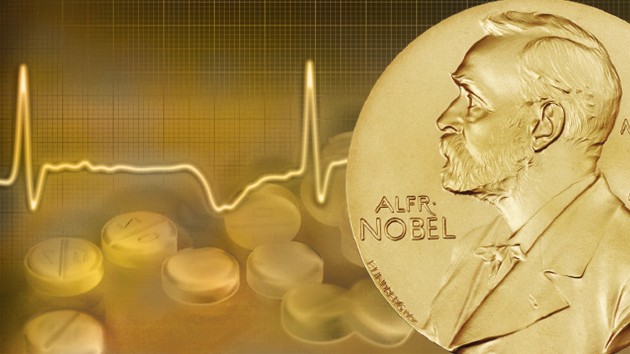
A Nobel Prize medal sitting in front of a gold background featuring some tablets and a trace showing a heartbeat.

Nobel Prize in Physiology or Medicine 2025

The 2025 Nobel Prize in Physiology or Medicine has been awarded jointly to Mary E. Brunkow, Fred Ramsdell and Shimon Sakaguchi “for their discoveries concerning peripheral immune tolerance”.
Collection

Advertisement

Nature Careers

Science jobs

Advertisement